
Knowledge base
Is taekwondo a good choice for a shy child?
- Taekwondo
- Taekwondo Confidence
Quick Answer
Yes, taekwondo can be a strong fit for a shy child. Its structured, step-by-step format gives quieter kids a clear path to practise speaking up, making eye contact, and taking small social risks within a supportive group, without being pushed into the spotlight before they’re ready.

Written and reviewed by Cheong Park
Teaching Taekwondo at Park's Tae Kwon Do, with experience across a wide range of students and skill levels.
For more than 20 years, I’ve seen shy children grow more confident through Taekwondo without being pressured to change who they are. A supportive instructor, clear routines, and steady practice can help a child participate comfortably and build confidence one small success at a time.
Why Structure Helps Reserved Kids Open Up
Taekwondo lessons follow a predictable rhythm: warm-up, technique, forms, partner work. For a shy child, that predictability lowers the pressure of social situations. They know what’s expected and can focus on the movement rather than worrying about fitting in, which often makes it easier to relax and engage.
Building Confidence Through Small Wins
Progress in taekwondo is visible and personal, measured against a child’s own improvement rather than compared directly to classmates. Earning a new belt or finally landing a clean kick gives a shy child tangible proof that effort pays off, which can carry over into greater willingness to speak up in other settings.
A Supportive Group Environment
Training alongside peers of similar age and skill level means a shy child isn’t thrown into open-ended social situations. Paired drills and line work involve short, structured exchanges, like calling out a count or working with a partner, which is often more comfortable than the free-flowing interaction of some team sports.
The Instructor's Role in Encouraging Quiet Students
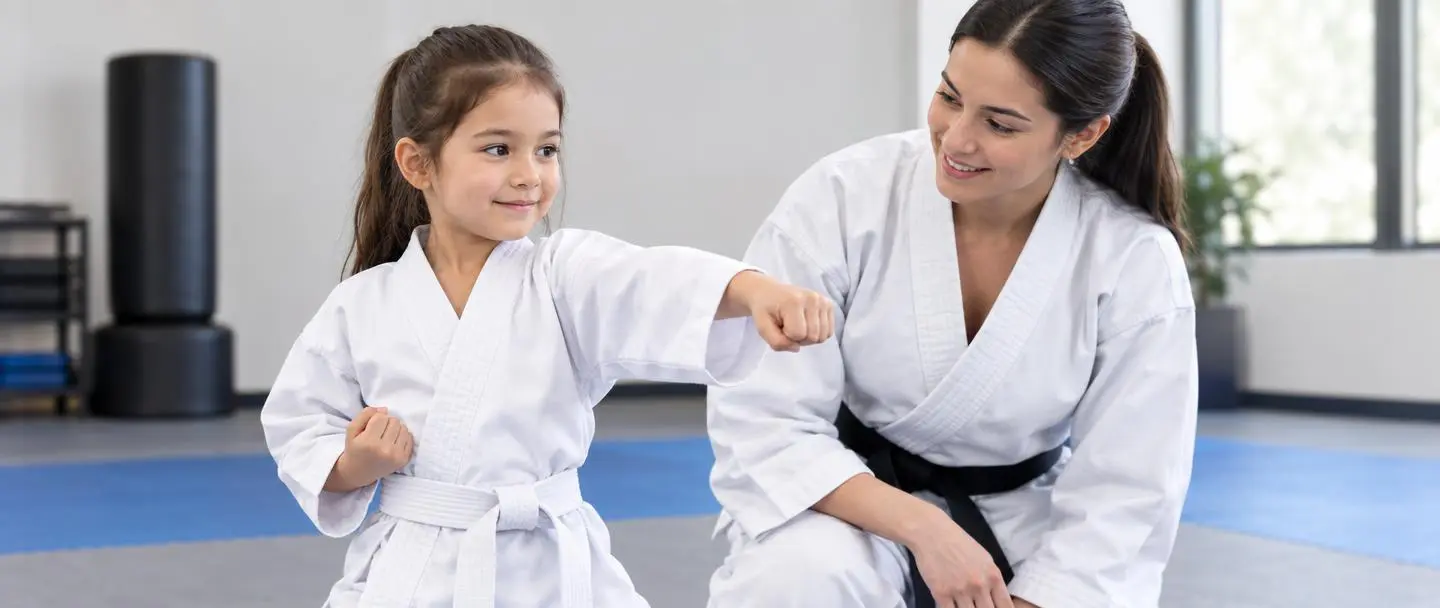
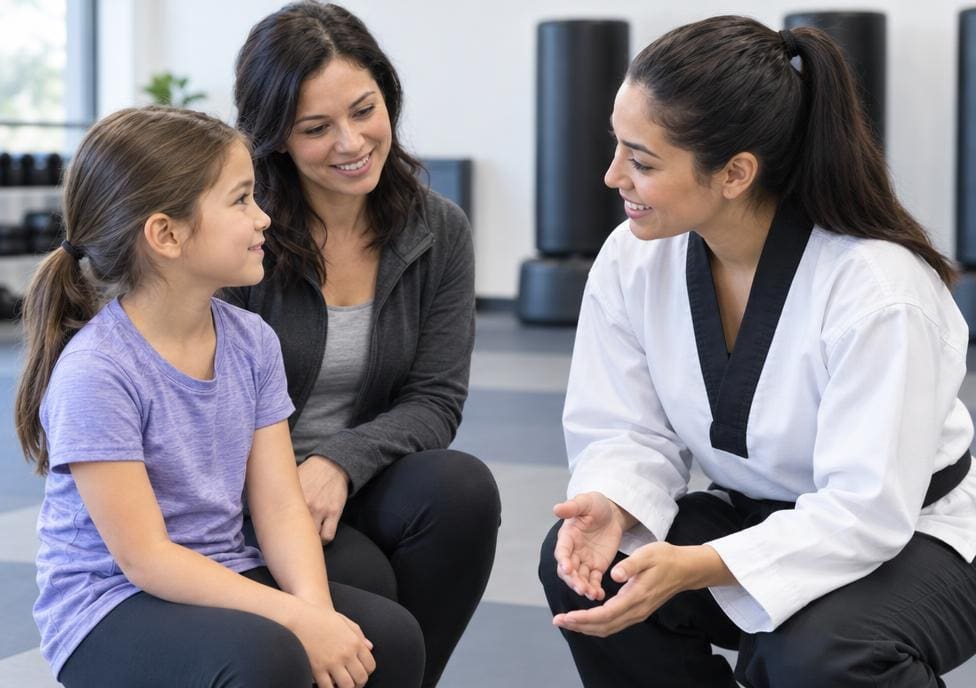
An experienced instructor, such as Cheong Park, will often notice which students hang back and adjust their approach accordingly, offering gentle prompts to call out commands, make eye contact, or lead a line, rather than putting a shy child on the spot. That kind of individual attention within a group setting can make a real difference over time.
What to Expect, and What Not to Expect
Taekwondo isn’t a guaranteed fix for shyness, and every child responds differently. Some children warm up within a few classes, while others take longer and need consistent encouragement from both instructors and parents. Progress tends to come from steady attendance and small, repeated successes rather than any single breakthrough moment.
Related questions
How can taekwondo help children ease into training without being pushed too quickly?
Good taekwondo programs introduce new skills gradually, letting children watch, imitate, and practice at their own pace before moving forward. Instructors often allow quieter students to observe for the first few minutes if they feel unsure, rather than forcing immediate participation. By keeping early lessons simple—like learning to bow, stand in line, or count together—children build confidence naturally. This gentle, low-pressure approach helps even hesitant kids settle in and progress comfortably over time.
What instructor behavior is especially helpful for children who feel shy or anxious?
Instructors who offer gentle, consistent encouragement without singling a child out tend to make the biggest difference. Rather than calling on a shy student unexpectedly in front of the group, a thoughtful instructor like Cheong Park might ease them in gradually, using small nods of praise or quiet check-ins to build confidence. This patient, low-pressure approach helps anxious children feel safe enough to participate at their own pace, especially in a structured setting like Taekwondo.
Would a smaller, lower-contact, or beginner-only taekwondo class be easier for children to start with?
A beginner-only class grouped by age and skill level often does reduce pressure, since every child is learning the same basics at the same pace rather than being compared to more advanced students. Lower-contact drills, like paired counting or line work, also tend to feel less intense than open sparring for a child who is still warming up socially. Whether this exact option is available will depend on how classes are structured locally, so it’s reasonable to ask about age or level groupings when enrolling.
How long is reasonable for children to settle into taekwondo before judging whether it is a good fit?
Give it at least six to eight weeks of fairly consistent classes, since stopping and restarting often makes the adjustment harder, not easier. Talk with the instructor about which specific moments your child hesitates on, whether it’s speaking up, partner work, or being watched, so encouragement can be targeted. Celebrate small efforts like showing up or trying a new drill rather than waiting for a big moment of confidence, and only reassess fit once that consistent window has truly been given a chance.
What signs show that taekwondo is building confidence rather than adding stress for children?
Positive signs include a child voluntarily speaking during drills, asking to go to class rather than needing to be reminded, practicing moves at home unprompted, or showing more eye contact and willingness to work with different partners over time. Signs of stress look different: dread or complaints before class, frequent stomachaches, or pulling back further instead of opening up. If stress signs persist rather than ease after consistent weeks of attendance, it’s worth raising with the instructor or reconsidering whether the current class setup fits your child.
Other resources you may like
- Last updated: 7 October 2026