
Knowledge base
Is self-defense worth learning if I live in a safe area?
- Self Defense
- Self-Defense Training
Quick Answer
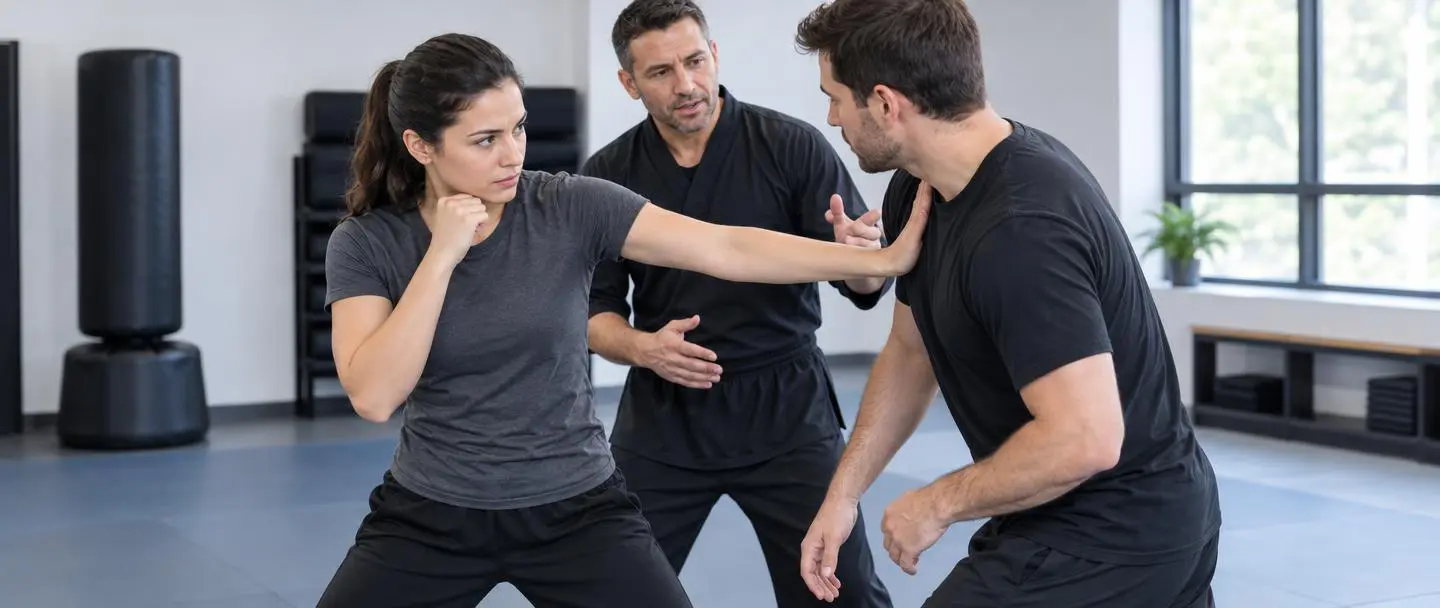
Yes, self-defense training is worth learning no matter how safe your neighborhood feels. Crime statistics describe averages, not guarantees, and real-life situations can happen anywhere – while traveling, at school, at work, or somewhere unfamiliar. Beyond physical protection, self-defense builds awareness, confidence, and calm decision-making that carry over into everyday life, not just rare emergencies.

Written and reviewed by Cheong Park
Teaching Self Defense at Park's Tae Kwon Do HQ in Coral Springs since 2018, with experience across a wide range of students and skill levels.
Living in a safe neighborhood doesn’t mean self-defense skills have no value. Training builds awareness, confidence, and the ability to respond calmly when the unexpected happens—skills worth having wherever you live.
A Safe Area Doesn't Remove All Risk
Low crime statistics reflect general patterns for a location, not a promise about any single moment or person. Isolated incidents, accidents, or unfamiliar situations can occur even in well-regarded neighborhoods. Learning basic self-defense isn’t about expecting the worst – it’s about being prepared to respond calmly and effectively if an unexpected situation ever arises, wherever you happen to be.
Self-Defense Builds More Than Physical Skill
Good self-defense training covers far more than strikes and escapes. Students learn to read situations, set clear boundaries, and de-escalate tension before it becomes physical. This kind of situational awareness and composure is valuable in daily interactions, not just moments of danger, which is part of why the skill holds up regardless of where someone lives.
Confidence and Character Benefits for Kids
For children and teens, self-defense classes can support confidence, respect, and self-discipline alongside physical coordination. Learning to stand tall, communicate clearly, and trust their own instincts helps young students navigate school, friendships, and new experiences with a steadier sense of self – benefits that matter whether the surrounding area feels safe or not.
Why Adults Train Even Without an Immediate Threat
Many adults take up self-defense for reasons beyond personal protection, including fitness, stress relief, and the discipline of learning a new skill alongside a supportive group. Training regularly sharpens focus and body awareness over time, so the value extends well past any single hypothetical scenario.
A Skill Worth Having, Even If Rarely Needed
Most people who train in self-defense never need to use it in a real confrontation, and that’s a good outcome, not a wasted effort. The goal is preparedness and peace of mind rather than expecting danger. Like other life skills, it’s easier to build calmly over time than to try to learn under pressure.
Related questions
How common are violent incidents in affluent, low-crime suburbs, and what does that mean for everyday preparedness?
Exact incident counts vary by city and year, and crime data isn’t tracked in a way that can promise a particular outcome for any one person or street, so no statistic rules out the possibility of an isolated incident. What matters practically is that even low-crime areas occasionally see unexpected situations, so everyday preparedness means having basic awareness and calm response skills on hand rather than assuming good averages apply to every moment.
Beyond stranger attacks, what everyday situations — travel, parking lots, road rage, someone you already know — make self-defense useful even in a safe area?
Self-defense skills apply well beyond a stranger jumping out in a dark alley. Think of a tense exchange in a parking lot, a road rage incident after a near-miss on the highway, an argument with a coworker that escalates, or a confrontation with someone you already know, like an acquaintance who won’t take no for an answer. Training in verbal de-escalation and boundary-setting is often more useful in these everyday scenarios than physical technique alone, since most real conflicts start with words rather than a sudden assault.
Does living in a safe neighborhood create a false sense of security, and how does self-defense training address that without resorting to fear-mongering?
Yes, comfort can breed complacency, since people often assume safety is guaranteed by their surroundings rather than their own awareness. Good training corrects this gently, not by dwelling on worst-case scenarios, but by building practical habits like staying alert, reading situations, and trusting instincts. The goal is empowerment, not anxiety, so instructors emphasize preparedness and confidence over fear, helping students understand that awareness is simply part of everyday life, no matter how secure their environment feels.
What are the honest limits of relying on "I live in a safe area" as your whole safety plan?
Believing “I live in a safe area” can create a false sense of security, since crime statistics can shift and unexpected situations can happen anywhere, regardless of neighborhood reputation. Relying solely on this belief means skipping essential habits like locking doors and vehicles, staying alert instead of distracted by a phone while walking, informing someone of your plans when heading out alone, and keeping emergency contacts accessible. Pairing these everyday precautions with physical and verbal self-defense skills offers a far more realistic and complete approach to personal safety than assuming your surroundings alone will protect you.
Is the everyday awareness and confidence gained from self-defense training worth it, even if you never actually face a real threat?
Absolutely – the value extends far beyond preparing for a worst-case scenario. Training sharpens how you read situations, carry yourself, and respond under pressure, benefits that show up daily, not just in rare emergencies. Standing taller, speaking with more certainty, and staying calm during everyday friction are skills that pay off whether or not you ever need to defend yourself physically. In that sense, the awareness and confidence you build become valuable on their own, regardless of whether a real threat ever arises.
Other resources you may like

- Last updated: 21 October 2026